Burmese
- English
- Esperanto
- Afrikaans
- Català
- שפה עברית
- Cymraeg
- Galego
- Latviešu
- icelandic
- ייִדיש
- беларускі
- Hrvatski
- Kreyòl ayisyen
- Shqiptar
- Malti
- lugha ya Kiswahili
- አማርኛ
- Bosanski
- Frysk
- ភាសាខ្មែរ
- ქართული
- ગુજરાતી
- Hausa
- Кыргыз тили
- ಕನ್ನಡ
- Corsa
- Kurdî
- മലയാളം
- Maori
- Монгол хэл
- Hmong
- IsiXhosa
- Zulu
- Yoruba
- অসমীয়া
- ଓଡିଆ
- Punjabi
- پښتو
- Chichewa
- Samoa
- Sesotho
- සිංහල
- Gàidhlig
- Cebuano
- Somali
- Тоҷикӣ
- O'zbek
- Hawaiian
- سنڌي
- Shinra
- Հայերեն
- Igbo
- Sundanese
- Lëtzebuergesch
- Malagasy
- Español
- Português
- русский
- Français
- 日本語
- Deutsch
- tiếng Việt
- Italiano
- Nederlands
- ภาษาไทย
- Polski
- 한국어
- Svenska
- magyar
- Malay
- বাংলা ভাষার
- Dansk
- Suomi
- हिन्दी
- Pilipino
- Türkçe
- Gaeilge
- العربية
- Indonesia
- Norsk
- تمل
- český
- ελληνικά
- український
- Javanese
- فارسی
- தமிழ்
- తెలుగు
- नेपाली
- Burmese
- български
- ລາວ
- Latine
- Қазақша
- Euskal
- Azərbaycan
- Slovenský jazyk
- Македонски
- Lietuvos
- Eesti Keel
- Română
- Slovenski
- मराठी
- Srpski језик
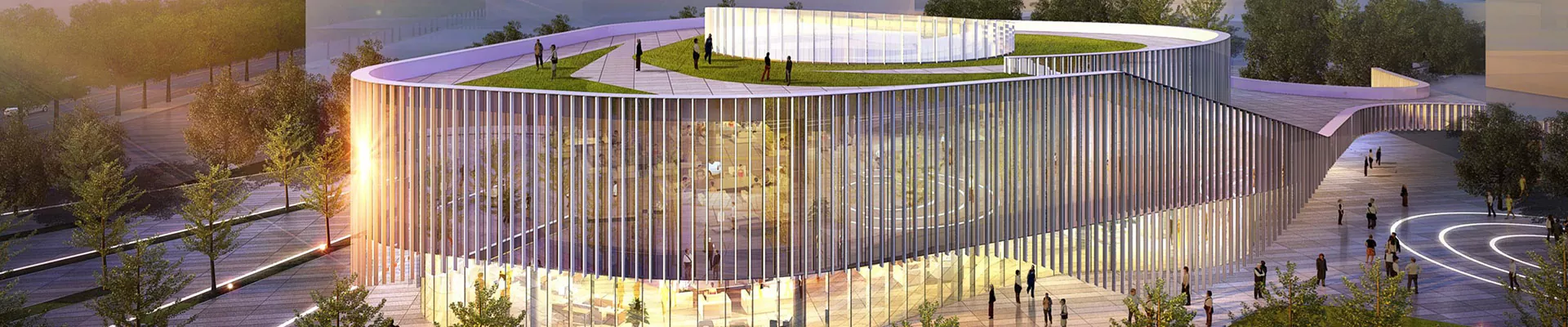
Steel Structure များကို နားလည်ခြင်း။
I. Steel Structure ဆိုတာ ဘာလဲ။
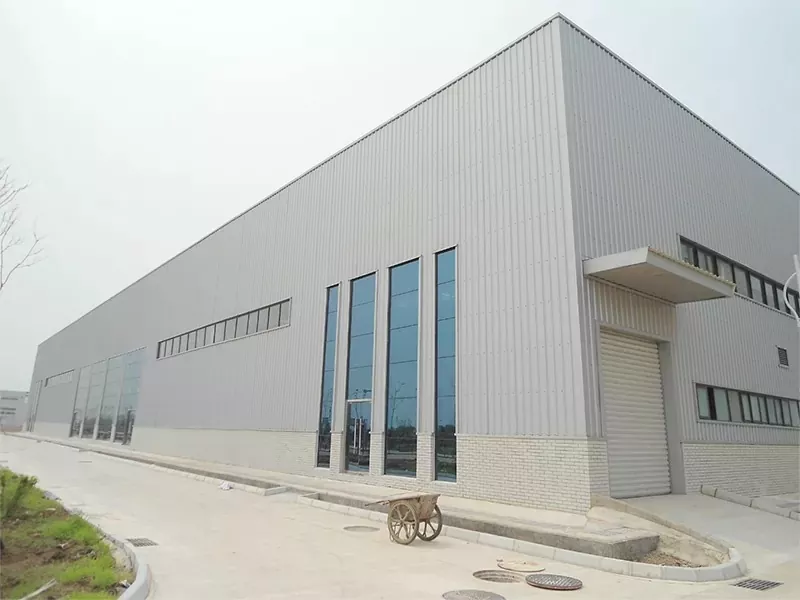
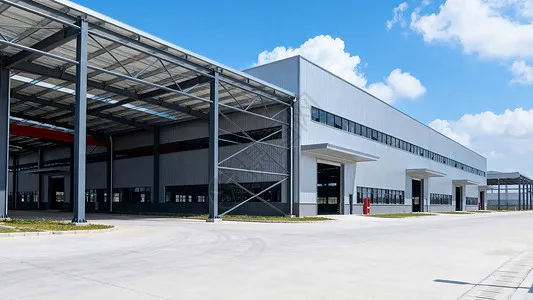
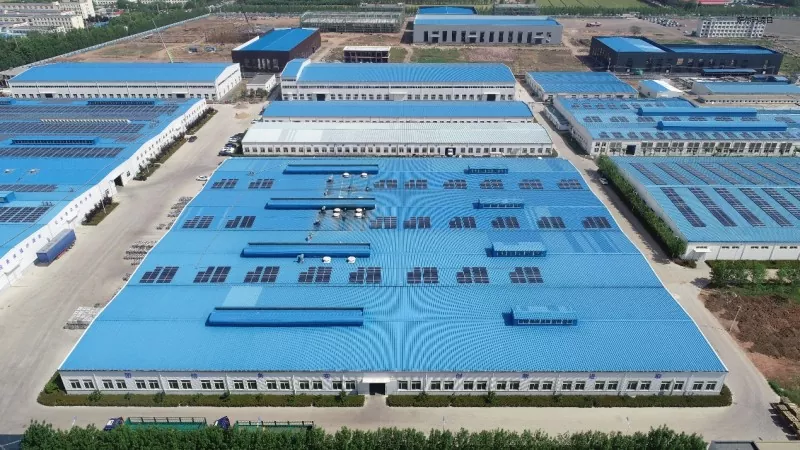
A သံမဏိဖွဲ့စည်းပုံis a load-bearing building structure mainly fabricated from steel materials. မြင့်မားသော tensile strength ၊ ပေါ့ပါးသော self-weight ၊ ကောင်းမွန်သော အလုံးစုံ တောင့်တင်းမှု၊ ခိုင်ခံ့သော ပုံသဏ္ဍာန်နှင့် ပြန်လည်အသုံးပြုနိုင်မှု ကောင်းမွန်သော စတီးများသည် ကြီးမားသော ဝန်နှင့် လေးလံသော အဆောက်အဦများအတွက် စံပြအဖြစ် core load-bearing system အဖြစ် ဆောင်ရွက်ပါသည်။ သံမဏိကို အအေးကွေးခြင်း၊ ပူလှိမ့်ခြင်းနှင့် အခြားနည်းပညာများဖြင့် ဖွဲ့စည်းတည်ဆောက်ပုံဆိုင်ရာ အစိတ်အပိုင်းများအဖြစ် စီမံဆောင်ရွက်ပါသည်။ ဤအစိတ်အပိုင်းများသည် သီးခြားဖွဲ့စည်းပုံစနစ်များဖွဲ့စည်းကြပြီး ဂဟေဆော်ခြင်း၊ ကျောက်ဆူးများ သို့မဟုတ် သံမှိုများဖြင့် ပြုပြင်သည်။
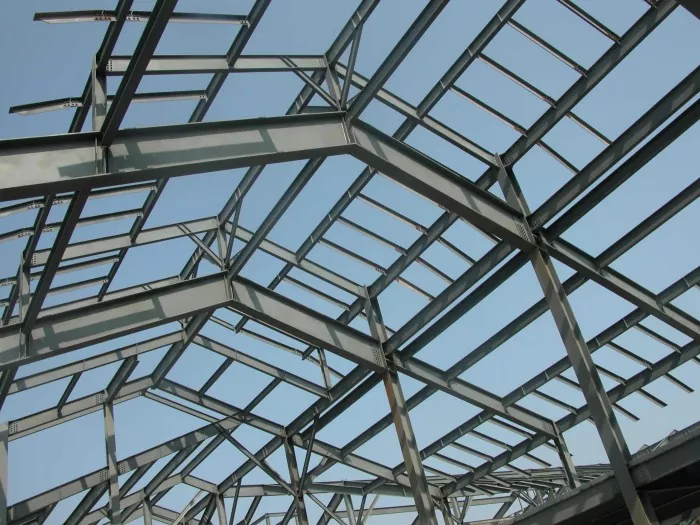
II Core Advantages of Steel Structures
|
အဓိက အားသာချက်များ |
ဖော်ပြချက် |
|
ငလျင်ဒဏ်ခံနိုင်ရည် |
Steel features high ductility, uniform material properties and reliable structural performance, enabling it to withstand destructive dynamic loads effectively, which lays a solid foundation for excellent seismic performance. |
|
သယ်ယူပို့ဆောင်ရေးနှင့် တပ်ဆင်ခြင်း။ |
Under the same load-bearing capacity, steel structural members have small cross-sections and light self-weight, facilitating transportation and on-site assembly. They are well-suited for large-span, high-rise and heavy-load structures. |
|
တင်းကျပ်မှု |
Welded steel structures achieve superior air- and water-tightness. They can be manufactured into fully sealed components, applicable to special structures such as high-pressure vessels, sewage tanks and Class II pressure vessels. |
|
ကုန်ထုတ်လုပ်မှုနှင့် ဆောက်လုပ်ရေးနည်းပညာ |
Steel structures are produced and installed with a high degree of automation, ensuring stable quality. Components are prefabricated in factories with minimal on-site work and rapid assembly, greatly shortening construction periods. Overall, steel structures offer the most stable quality, shortest construction cycle and highest cost-performance among building structural systems. |
III Core Advantages of Steel Structure အဆောက်အဦများ
|
အဓိက အားသာချက်များ |
ဖော်ပြချက် |
|
ငလျင်နှင့် လေအား ခုခံမှု |
The self-weight of Steel Structure Buildings is merely one-fifth of brick-concrete structures, yet they feature high strength and strong resistance to horizontal loads. With appropriate steel structural force-bearing systems, they can withstand winds above Grade 12 and earthquakes above Magnitude 9. |
|
အပူလျှပ်ကာ၊ အသံလျှပ်ကာနှင့် အပူကို ထိန်းသိမ်းခြင်း။ |
Steel Structure Buildings achieve thermal insulation, heat preservation and noise reduction via the building envelope system. Windows installed in light steel structural systems adopt double-layer hollow glass, delivering outstanding sound insulation of over 40 decibels. Walls composed of light-steel keel partitions and gypsum boards with thermal insulation materials provide sound insulation up to 60 decibels. Approximately 100-mm-thick R15 thermal insulation materials offer the same thermal resistance as a 1-meter-thick wall. |
|
နေ့အလင်းရောင်နှင့် လေဝင်လေထွက် |
Boasting flexible spatial layout and slender structural members, steel structures enable efficient and low-cost daylighting and ventilation for buildings. Given the same building area, steel structures provide 2.5–3 times larger daylighting area and 2–3 times higher natural ventilation efficiency than concrete structures. |
|
Environmental-Friendliness နှင့် Low Carbon |
Steel is a low-carbon, recyclable material with extremely high reusability, complying with the global trend of eco-friendly development. Meanwhile, steel-structured construction mostly adopts dry construction with minimal wet-work, resulting in extremely low air pollution, noise pollution and construction waste. Therefore, Steel Structure Buildings are green and energy-saving, meeting ecological governance requirements and beneficial to human health. |
|
ကြာရှည်ခံမှုနှင့် လက်တွေ့ကျမှု |
Steel Structure အဆောက်အဦများ allow flexible demolition and reconstruction without interrupting daily operation or suspending work for renovation, making them highly suitable for temporary buildings, frequently relocated structures and emergency relief buildings. Furthermore, proper production techniques and structural systems extend their service life to 100 years, equal to that of conventional permanent buildings. Steel Structure Buildings also feature a high usable floor area ratio, greatly improving space utilization, and support high-intensity vertical expansion, well adapting to resource-strained and densely populated regions. |
IV Development History and Trends of Steel Structures
The completion of the Eiffel Tower in France in 1889 marked the birth of modern steel structures. In 1931, the Empire State Building was constructed in the United States, where the structural design system initially took shape. In 1980, the annual global consumption of building steel structures exceeded 50 million tons. From 1980 to 2010, China experienced rapid growth and became the world’s largest consumer of steel structures, during which research on prefabricated steel structures began. Since 2010, the global industry has entered a low-carbon and intelligent era, with cross-border steel structure projects and export trade expanding continuously.
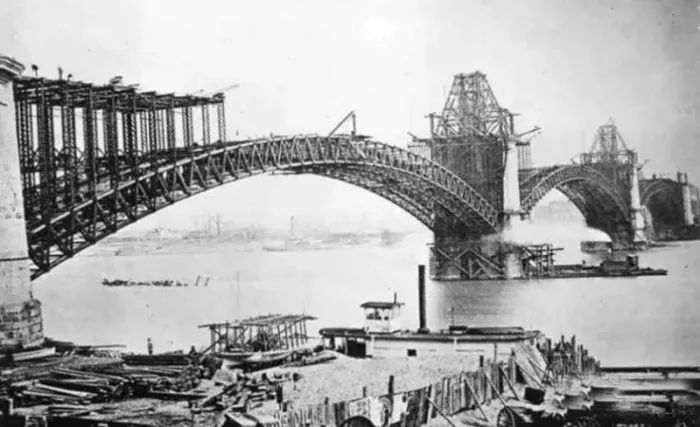
Over the past decade in China, driven by policies on prefabricated buildings and the carbon peaking and carbon neutrality strategy, the domestic steel structure industry has entered a new stage of high-quality development. Modular steel structures and residential steel structures have been rapidly applied. Breakthroughs have been continuously achieved in technologies including BIM-based digital design, intelligent manufacturing, and weather-resistant anti-corrosion treatment. Steel structures have evolved from traditional building materials into core carriers for green, low-carbon and efficient construction.
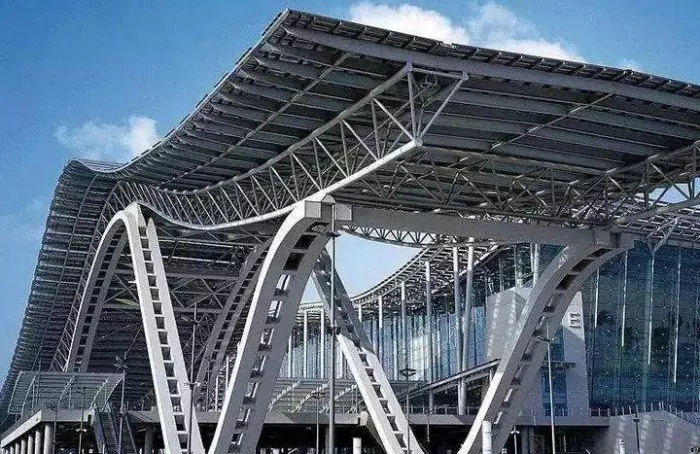
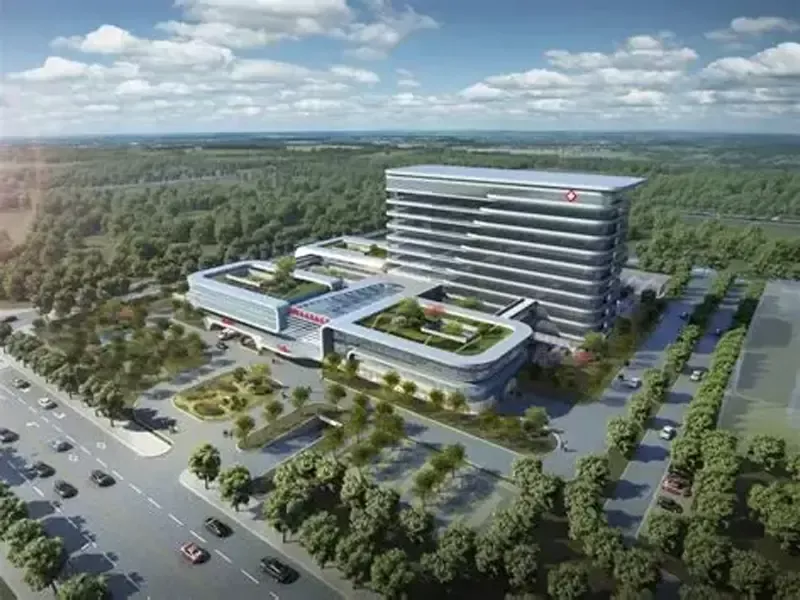
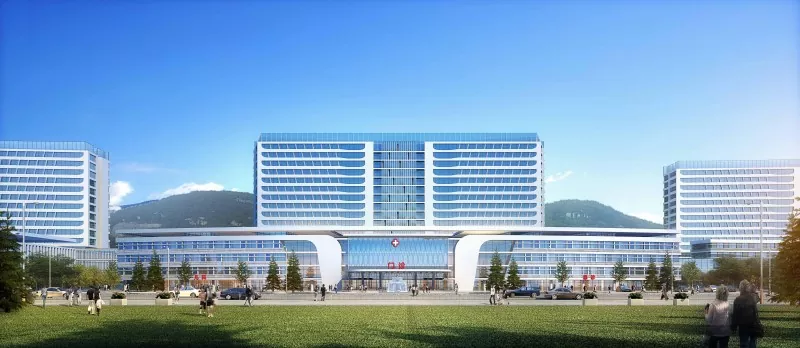
ရှေ့ကိုကြည့်၊သံမဏိဖွဲ့စည်းပုံ industry is developing in depth toward green development, prefabrication, intelligence and internationalization. Steel structures will further penetrate civil buildings such as residences, schools and hospitals, unleashing greater potential in the global infrastructure market.
ဆက်စပ်သတင်း
- Steel Frame Horse Stable Construction အတွက် သင့်လျော်သော အရွယ်အစားကို ဘယ်လိုရွေးချယ်မလဲ။
- On-Site Steel Structure Assembly + Integral Hoisting Construction Workflow + Key ထည့်သွင်းစဉ်းစားမှုများ
- ခေတ်မီလူနေမှုဘဝအတွက် Double Layer Prefab Steel Frame House ကို အဘယ်ကြောင့်ရွေးချယ်ရသနည်း။
- Steel Structure Factory အဆောက်အဦများ ဒီဇိုင်းနှင့် တည်ဆောက်ခြင်းအတွက် အဓိကအချက် ကိုးချက်
- သံမဏိဖွဲ့စည်းပုံ ကြက်သွန်းဆောက်လုပ်ခြင်း ကြက်မွေးမြူရေးခြံများ၏ စီမံခန့်ခွဲမှုကို မည်သို့တိုးတက်စေနိုင်သနည်း။
- "စက်ခေါင်းပုံစံ" စက်မှုအဆောက်အအုံများ- ၃ ထပ်ရုံးသည် သံမဏိ သို့မဟုတ် ကွန်ကရစ် ဖြစ်သင့်ပါသလား။
ငါ့ကို မက်ဆေ့ချ် ထားခဲ့ပါ။